





Self-pay physiotherapy at Terme Dobrna is based on professional, individual, and holistic treatment. Our physiotherapists first take the time to understand your problems, limitations, and goals, and through a physiotherapeutic examination, look for possible causes of pain or reduced mobility. Based on the findings, they prepare a customized treatment plan for you, and select appropriate physiotherapeutic methods, manual techniques, therapeutic exercises, and other procedures.
Physiotherapy in Dobrna is intended for the treatment of acute and chronic pain, injuries, musculoskeletal system problems, degenerative changes, and rehabilitation after injuries and surgical procedures. The goal of the treatment is not only to alleviate current problems, but to improve mobility, muscle strength, and functional abilities, and to gradually return to activities that are important to you.
In treatment, we do not focus only on the part of the body where the pain occurs. We are interested in how the problem affects your movement, work, and daily life, and what you want to achieve again through rehabilitation. With professional guidance and an individually tailored approach, we accompany you through the recovery process and together look for a path to a more relaxed, safe, and quality movement.
CONTACT
Information, rescheduling, appointment cancellations and submission of medical reports for physiotherapy covered by compulsory health insurance


Monday – Wednesday, Friday: 08.00 – 12.00
Thursday: 13.00 – 17.00

OPENING HOURS
Monday – Friday
07.00 – 20.00
Saturday
07.00 – 13.00
Indications by body area
Select the body part where your problems occur and check which conditions we can help you with.

Neck
For problems in the neck area, we help with:
- acute and chronic neck pain,
- tightness and limited mobility,
- tingling,
- conditions after cervical spine injuries,
- inflammatory and degenerative changes,
- cervical spine instability,
- herniated or protruding intervertebral disc.
How the treatment works
The treatment begins with a consultation and a physiotherapeutic examination, during which we assess cervical spine mobility, muscle tension, strength, and movement control, and check for factors that may influence the occurrence of problems. Based on the findings, we prepare an individual treatment plan, which may include manual techniques, therapeutic exercises, and other physiotherapeutic procedures. The goal of the treatment is to reduce pain and tension, improve mobility, and enable easier and safer performance of daily activities.
Shoulder
For problems in the shoulder area, we help with:
- acute and chronic shoulder pain,
- instability and dislocation of the shoulder joint,
- injuries to the muscles and tendons of the rotator cuff,
- calcifications, tendinitis, and tendinopathies,
- impingement syndrome and bursitis,
- frozen shoulder,
- degenerative changes,
- conditions after injuries and surgical procedures.
How the treatment works
During the physiotherapeutic examination, we assess shoulder joint mobility, muscle strength, shoulder girdle stability, and scapular control, and check which movements or loads cause the problems. Based on the findings, we prepare an individual treatment plan, which may include manual techniques, therapeutic exercises, and other physiotherapeutic procedures. The goal is to reduce pain and gradually improve shoulder mobility, strength, and stability.
Elbow
For problems in the elbow area, we help with:
- acute and chronic pain,
- tennis elbow,
- golfer’s elbow,
- degenerative joint changes,
- cubital tunnel syndrome,
- conditions after injuries and surgical procedures.
How the treatment works
During the physiotherapeutic examination, we assess the mobility of the elbow and adjacent joints, muscle strength, and the condition of muscles and tendons. The treatment is adapted to the cause of the problems and the loads during which the pain occurs. With appropriate therapeutic exercises, manual techniques, and other physiotherapeutic procedures, we aim to reduce pain and restore the best possible function of the arm.
Wrist and fingers
For problems in the wrist and finger area, we help with:
- acute and chronic pain,
- wrist and finger injuries,
- degenerative joint changes,
- rheumatoid arthritis,
- basal thumb arthritis,
- carpal tunnel syndrome,
- conditions after injuries and surgical procedures.
How the treatment works
During the examination, we assess joint mobility, muscle strength, grip, and hand function, and if necessary, any sensory or nerve problems. Based on the findings, we prepare an individual treatment plan aimed at reducing pain, improving mobility, and restoring the best possible function of the wrist, palm, and fingers.
Thoracic spine
For problems in the thoracic spine area, we help with:
- acute and chronic pain,
- tightness and limited mobility,
- degenerative changes of the spine,
- herniated or protruding intervertebral disc,
- scoliosis,
- thoracic outlet syndrome,
- conditions after injuries and surgical procedures.
How the treatment works
During the physiotherapeutic examination, we assess the mobility of the thoracic spine, posture, muscle tension, and movement patterns, and check how the problems affect daily activities. The treatment may include manual techniques, therapeutic exercises, and other physiotherapeutic procedures to reduce problems and improve the quality of movement.
Lumbar region
For problems in the lumbar region, we help with:
- acute and chronic lower back pain,
- tightness and limited mobility,
- degenerative and inflammatory changes of the spine,
- herniated or protruding intervertebral disc,
- spinal instability and spondylolisthesis,
- scoliosis,
- conditions after compression fractures,
- conditions after surgical procedures.
How the treatment works
During the physiotherapeutic examination, we assess spine mobility, core strength and stability, movement patterns, and activities where problems occur. Based on the findings, we prepare an individual treatment, which may include manual techniques, therapeutic exercises, and other physiotherapeutic procedures. The goal is to reduce pain and gradually improve mobility, stability, and the ability to move safely.
Pelvis
For problems in the pelvic region, we help with:
- acute and chronic pelvic girdle pain,
- pain in the pubic area,
- degenerative changes,
- conditions after fractures and surgical procedures,
- pelvic floor muscle problems,
- urinary and fecal incontinence.
How the treatment works
The treatment begins with a consultation and an individually tailored physiotherapeutic examination. Depending on the type of problem, we assess pelvic mobility and stability, muscle function, and other factors that may influence symptoms. Based on the findings, we select appropriate therapeutic exercises and physiotherapeutic procedures and guide you through the rehabilitation process.
Hip
For problems in the hip area, we help with:
- acute and chronic pain,
- degenerative changes or joint wear and tear,
- calcifications,
- tendinitis and tendinopathies,
- impingement syndrome,
- bursitis,
- aseptic necrosis,
- rehabilitation after fractures and surgical procedures,
- rehabilitation after hip endoprosthesis insertion.
How the treatment works
During a physiotherapeutic examination, we assess hip joint mobility, muscle strength, stability, gait, and functional abilities. The treatment is adapted to the cause of the problems and the phase of rehabilitation, and may include therapeutic exercises, manual techniques, and other physiotherapeutic procedures. The goal is to reduce problems and gradually improve mobility, strength, and independence in movement.
Knee
For problems in the knee area, we help with:
- acute and chronic pain,
- arthrosis and arthritis,
- ligament injuries,
- meniscus and articular cartilage injuries,
- Baker’s cyst,
- pain in the patellar area,
- patellar ligament tendinopathy,
- rehabilitation after injuries and surgical procedures,
- rehabilitation after knee endoprosthesis insertion.
How the treatment works
During a physiotherapeutic examination, we assess knee mobility, muscle strength, joint stability, balance, movement control, and gait. Depending on the problem, we prepare an individual treatment plan, which may include therapeutic exercises, manual techniques, and other physiotherapeutic procedures. The goal is to reduce pain and gradually restore knee stability, mobility, and function.
Ankle and foot
For problems in the ankle and foot area, we help with:
- acute and chronic pain,
- degenerative and inflammatory joint changes,
- tarsal tunnel syndrome,
- hallux valgus,
- plantar fasciitis,
- heel spur,
- ligament injuries and ankle sprains,
- conditions after fractures and surgical procedures.
How the treatment works
During a physiotherapeutic examination, we assess ankle and foot mobility, muscle strength, stability, balance, gait, and foot loading. The treatment is aimed at reducing pain, improving mobility and stability, and a gradual return to normal loads. Depending on the problem, we include appropriate therapeutic exercises, manual techniques, and other physiotherapeutic procedures.
Therapies
Kinesiotherapy
Kinesiotherapy is based on the use of movement and therapeutic exercises to improve mobility, muscle strength, balance, and functional abilities. The exercises take place under the professional guidance of a physiotherapist and are adapted to the individual’s health condition, problems, and abilities.
Treatment may include:
- individual therapeutic exercises,
- group therapeutic exercises,
- stretching and exercises to improve mobility,
- standing and gait training,
- breathing exercises,
- mobility and muscle strength measurements,
- special manual and neurological treatments.
The goal of kinesiotherapy is the gradual improvement of movement quality and the safest and most independent return possible to daily activities.
Therapeutic manual massage
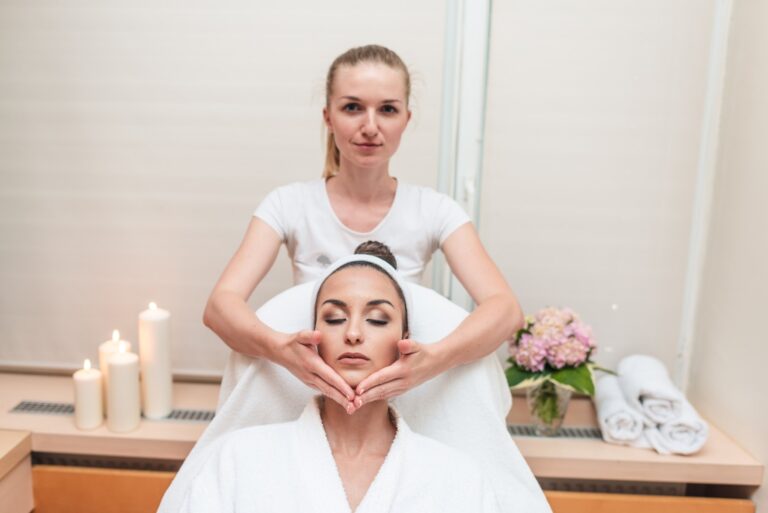
Therapeutic manual massage uses various manual techniques with which the therapist manipulates the muscles and soft tissues. It is primarily intended for relaxing muscle tension, reducing pain, and supporting mobility and regeneration.
Depending on your problems, we perform:
- partial therapeutic manual massage,
- full body therapeutic manual massage,
- pain relief massage,
- foot reflexology.
The type, intensity, and duration of the massage are adapted to the health condition and purpose of the treatment. Therapeutic massage can be performed independently or as a supplement to other forms of physiotherapy.
Hydrokinesiotherapy
Hydrokinesiotherapy is therapeutic exercise in water, where we utilise the properties of water for easier and safer movement. Buoyancy reduces the load on joints and the body, while the warmth of the water helps relax muscles and enables easier stretching.
At Terme Dobrna, we perform:
- exercises in a Hubbard tank,
- assisted exercises in water.
Exercise in water is particularly suitable when performing certain movements on land is difficult due to pain, reduced mobility, or weakness. The therapist adapts the exercises to the individual’s abilities and directs them toward improving mobility, strength, and functional abilities.
Electrotherapy
Electrotherapy involves the use of various forms of electrical and other physical energy as a supplement to physiotherapeutic treatment. It is primarily used for pain reduction, muscle stimulation, and support for rehabilitation after injuries and surgical procedures.
Procedures include:
- pain relief electrotherapy,
- electrostimulation,
- faradisation,
- galvanisation,
- iontophoresis,
- other instrumental physical therapies.
The type of therapy and procedure parameters are determined by a professionally trained therapist based on the problem, health condition, and rehabilitation goal. Electrotherapy is generally used as part of a broader physiotherapeutic treatment along with movement and other therapeutic methods.
Mechanotherapy
Mechanotherapy uses mechanical forces and instrumental procedures to influence muscles, joints, and other tissues. Through pressure, stretching, or negative pressure, it can support the reduction of problems, improve mobility and circulation, and supplement other forms of physiotherapeutic treatment.
We primarily perform:
- hypobaric therapy,
- cervical traction,
- lumbar traction.
Hypobaric therapy uses negative pressure and is intended to influence microcirculation and treat certain swellings and circulation problems. In traction, we perform stretching of the cervical or lumbar spine using controlled mechanical force. The suitability of each method is determined based on a physiotherapeutic examination and health condition.
Magnetic therapy
Magnetic therapy or magnetotherapy uses a low-frequency magnetic field as a complementary method of physiotherapeutic treatment. It is primarily used for selected orthopaedic, traumatological, and rheumatic conditions, as well as in rehabilitation after injuries and certain surgical procedures.
The therapy is non-invasive and does not require active patient participation during implementation. Depending on the health condition, it can be used as a supplement to therapeutic exercises, manual techniques, and other physiotherapeutic procedures.
The suitability of magnetotherapy, its duration, and the number of treatments, are decided based on the problem and the individual rehabilitation plan.
Phototherapy
Phototherapy uses light of selected wavelengths as a complementary physiotherapeutic method. It is intended to support regenerative processes in tissues and is used for selected soft tissue injuries, pain, and other conditions where light therapy is appropriate.
We perform:
- laser therapy,
- Bioptron light therapy.
Laser therapy uses focused light of a specific wavelength, while Bioptron light therapy uses polarised light. The choice of procedure depends on the type of problem and the goal of treatment, and is combined with other physiotherapeutic methods as needed.
Thermotherapy
Thermotherapy uses heat or cooling as part of physiotherapeutic treatment. Heat procedures are used to relax muscles, prepare tissues for further therapy, and improve mobility, while cooling is primarily used in conditions where we want to influence pain, swelling, or acute tissue irritation.
Procedures include:
- thermopack,
- paraffin wraps,
- local cooling with the Hilotherm system.
The choice between heating and cooling depends on the type of problem and the phase of rehabilitation. Thermotherapy is therefore often used as a preparation or supplement to therapeutic exercises, manual techniques, and other forms of physiotherapy.
Occupational therapy
Occupational therapy helps an individual maintain, regain, or develop the skills they need for daily tasks. It focuses on maximising independence, safety, and quality of life, and it adapts the treatment to the individual’s abilities, needs, and environment.
Occupational therapists primarily treat the areas of:
- neurology,
- orthopaedics,
- hand rehabilitation,
- rehabilitation of the elderly.
Individual treatment may include sensorimotor and cognitive skills training, learning daily activities, and counseling and training in the use of aids. Occupational therapy can be performed individually or in a group, and the goal is the most independent and safe integration into daily life possible.
NATURAL HEALING FACTORS
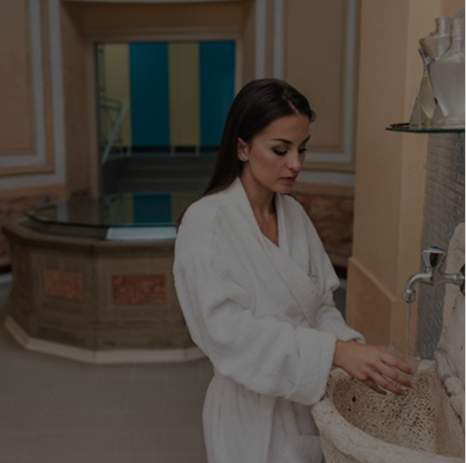
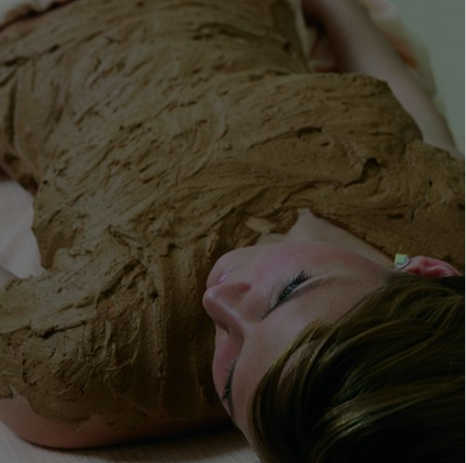
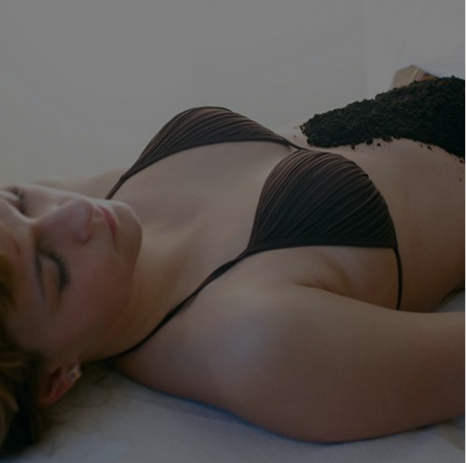
At Terme Dobrna, we have three natural healing factors recognised by the Ministry of Health of the Republic of Slovenia: thermal water, fango, and peat.


Price list
| Service | Price |
|---|---|
| Bowen therapy for adults (55 min) | 55,00 € |
| Bowen therapy for infants (30 min) | 35,00 € |
| Professional consultation with a physiotherapist (20 min) | 25,00 € |
| Individual therapeutic exercises (20 min) | 25,00 € |
| Physiotherapy treatment (up to 30 min)* | 44,00 € |
| Physiotherapy treatment (up to 50 min)* | 60,00 € |
| Manual physiotherapy (up to 30 min) | 44,00 € |
| Specialised neurological treatment using the Bobath concept (60 min) | 66,00 € |
| Therapeutic scar treatment (up to 30 min) | 40,00 € |
| Manual physiotherapy package (spine, neck, lower back, hip, knee, shoulder girdle) (5 x physiotherapy treatment (30 min), 5 x thermal water bath (20 min), 2 x kinesiology taping)* | 308,00 € |
| Kinesiology taping | 17,00 € |
| Joint mobility measurements | 13,00 € |
| Pain relief package (2x laser therapy, 2x manual massage (15 min), 2x thermal bath, 3x therapeutic exercises) | 143,00 € |
| Physiotherapy treatment – small / 12 therapies (min 3 days, max 6 days)** | 208,00 € |
| Physiotherapy treatment – medium / 24 therapies (min 6 days, max 10 days)** | 384,00 € |
| Physiotherapy treatment – large / 32 therapies (min 7 days, max 10 days)** | 439,00 € |
| Manual muscle strength testing | 17,00 € |
| Passive mobilisation using a dynamic splint (Kinetec or Artromot, 30 min) | 22,00 € |
| Gait training (15 min) | 17,00 € |
| Individual mobilisation in the room (30 min) | 44,00 € |
*No additional discounts apply to packages.
**The small treatment programme includes 1 massage (15 min), the medium programme 2 massages (15 min) and the large programme 3 massages (15 min). Treatment uses various devices (shockwave therapy, K Laser, …) and manual techniques (myofascial trigger points, Cyriax, fascial manipulation, …).
The price list is valid from 22. 6. 2026. Prices are final. Healthcare services are exempt from VAT in accordance with applicable legislation. We reserve the right to change prices and terms of sale and accept no liability for typographical errors.
Book an appointment
To book with an electronic referral for physiotherapy, please enter your details in the form below.
STAY INFORMED
Receive current offers, news, and inspiration for a break at Terme Dobrna directly in your e-mail inbox.