



About Terme Dobrna
The spa with the longest tradition in Slovenia
Terme Dobrna is the spa with the longest tradition in Slovenia, as our story dates back more than 620 years. Through the centuries, we have developed knowledge about the healing power of natural factors and combined it with the medical profession, hospitality, and modern approaches to well-being.
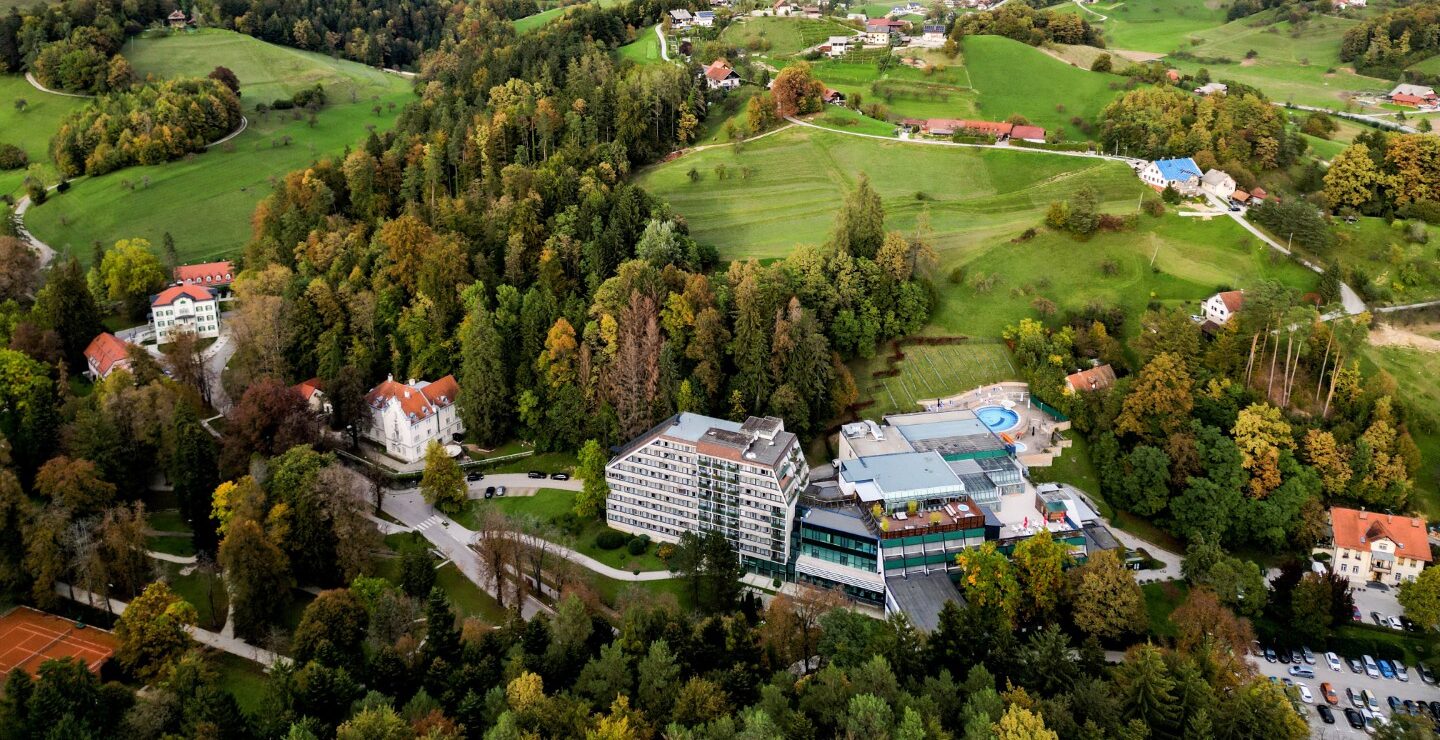
Today, we are a modern spa, medical, and wellness centre where prevention, rehabilitation, spa treatment, thermal experiences, and relaxation in nature intertwine. We offer guests a space for recovery, relaxation, and restoring balance.
Where thermal water has its own story
The history of Terme Dobrna dates back to 1403, when the spa was first mentioned in writing. However, the healing effects of thermal water were known much earlier. Early settlement is evidenced by prehistoric and Roman finds, proving that the Dobrna area has been connected with life, nature, and healing springs for millennia.
The planned development of the health resort began in the early 17th century with the construction of the first spa facility. Through the centuries, the development of Terme Dobrna was co-created by various owners, doctors, and visionaries who shaped the health resort into one of the most important thermal destinations in Slovenia.
Today, we remain faithful to our mission: to respect tradition and connect it with the most modern approaches to health, well-being, and quality of life.
Health is our mission
At Terme Dobrna, we believe that health is the greatest value. Therefore, we develop programmes that support prevention, treatment, rehabilitation, and long-term well-being.
We complement our natural assets with top medical knowledge and an individual approach. We help guests recover after illnesses and surgeries, alleviate chronic problems, improve physical fitness, and maintain health in all stages of life.
The Ministry of Health of the Republic of Slovenia has recognised three natural healing factors at Terme Dobrna:
- thermal water,
- fango,
- peat.
It is their combination that represents the foundation of numerous health, rehabilitation, and wellness programmes for which Terme Dobrna is recognised at home and abroad.
Within the Dobrna Medical center, a modern diagnostic and rehabilitation centre operates, where renowned experts in the fields of gynaecology, urology, orthopaedics, neurology, and other medical specialties collaborate. We are particularly recognised for the comprehensive treatment of gynaecological and urological problems, the treatment of incontinence, rehabilitation, and support for women’s health in all stages of life.
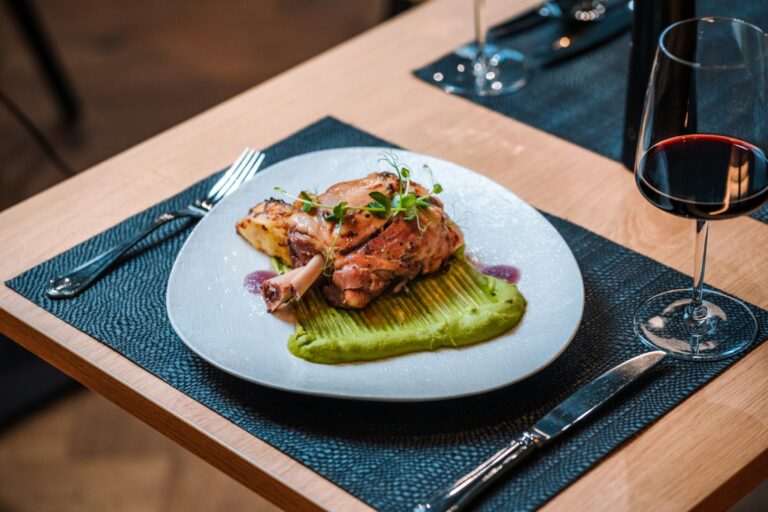
Alongside our medical activities, we also develop sustainable thermal tourism, which offers guests a balance between relaxation, active holidays, quality cuisine, and pristine nature.
Zdraviliški dom
The heart of Terme Dobrna since 1624
Zdraviliški dom is the oldest and central facility of Terme Dobrna. Its history dates back to 1624, when it became the beginning of organised spa development. Even today, natural thermal water springs in its heart, which has been attracting visitors for centuries due to its beneficial effects.
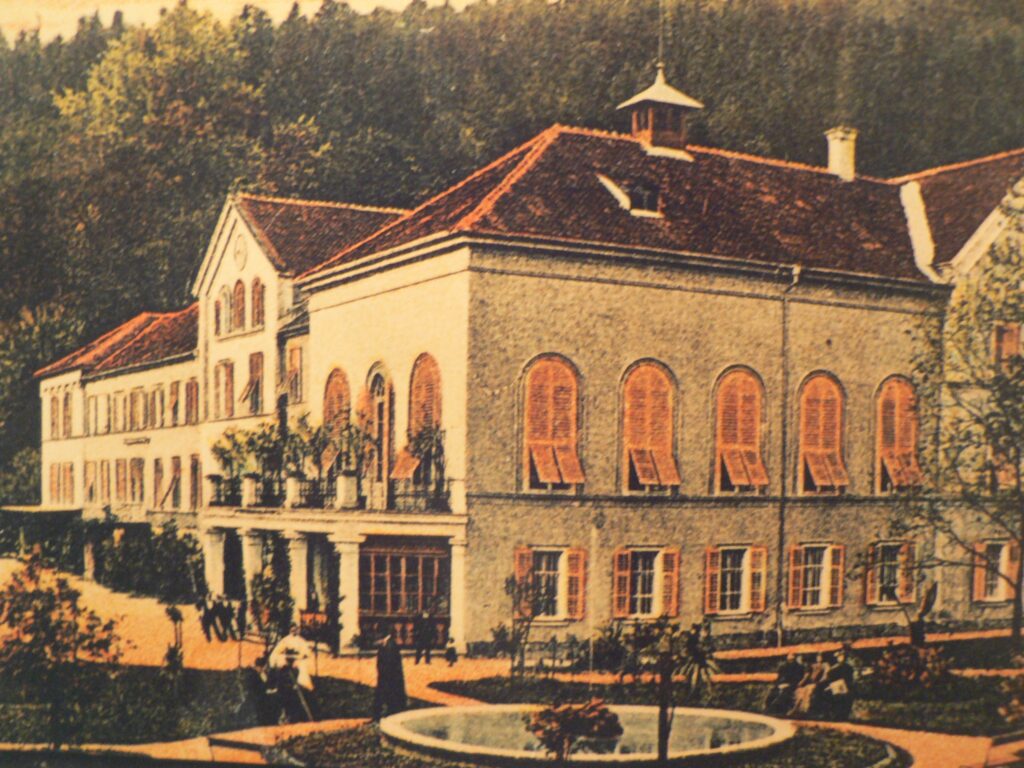
A special feature of the Zdraviliški dom is the unique marble thermal baths from 1874, which are among the most precious spa heritage in Slovenia. Even today, they provide an authentic thermal experience in an ambiance where history and relaxation intertwine.
Through the centuries, the building has undergone numerous renovations and expansions, while maintaining its historical value. Due to its architectural and cultural importance, it is protected as part of the Slovenian cultural heritage.
Among the famous visitors was Louis Bonaparte, brother of Napoleon I, who was treated in Dobrna in 1809 together with wounded French soldiers. According to tradition, he contributed to the arrangement of the thermal pool, thereby leaving his mark on the history of the health resort.
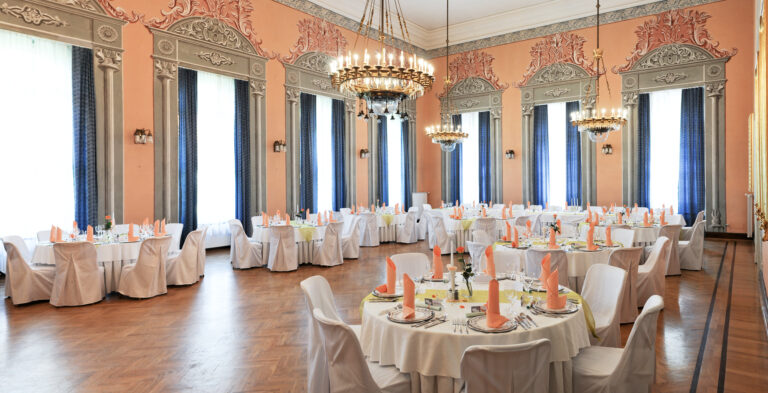
Today, Zdraviliški dom remains a symbol of Terme Dobrna. In addition to spa activities, it hosts cultural events, concert evenings, and special experiences, allowing visitors to experience more than six centuries of tradition in a place where thermal water still springs from the same natural source.